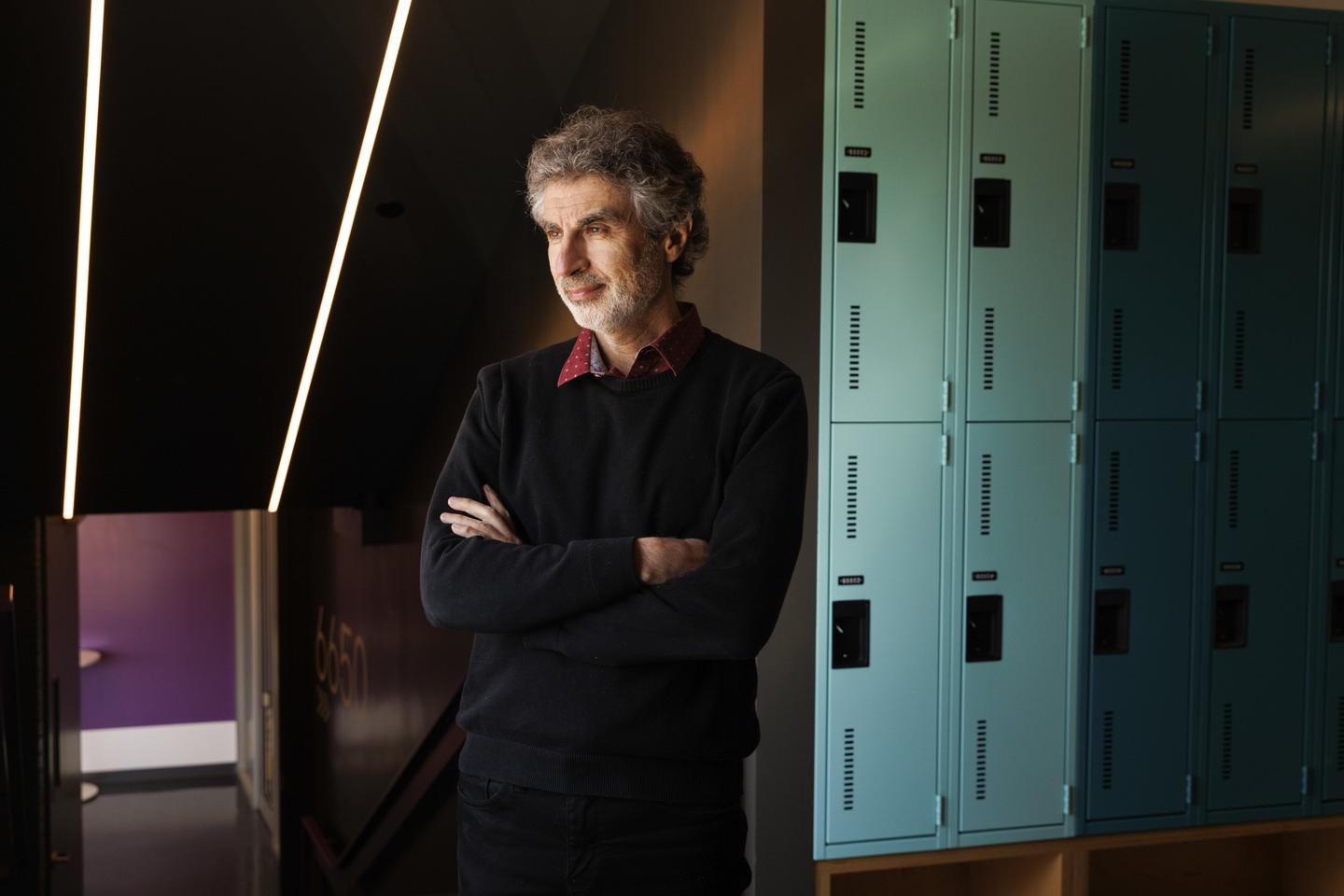
AI Pioneer Yoshua Bengio Sounds the Alarm: Are We Building Flawed Intelligence?
“Today, there are manufacturing defects in the way we make artificial intelligence [AI] that worry me a lot.” Like Robert Oppenheimer (1904-1967), who warned about the atomic bomb he helped create, Yoshua Bengio is concerned about the risks of AI and has created the LoiZéro association to develop AI that is “safe and reliable by design.”
“I wouldn’t compare myself to Oppenheimer,” explains the professor in the Department of Computer Science and Operations Research at the University of Montreal, Canada. “What motivates me most is thinking about the future of humanity, the future of my children. Even if catastrophic events have a very low probability, let’s say 1%, it’s important to avoid them.” Yoshua Bengio, 61, is not a “doomer,” a prophet of the apocalypse. He is one of the fathers of artificial intelligence. With Frenchman Yann LeCun and Briton Geoffrey Hinton, this Canadian of Franco-Moroccan origin received the Turing Prize in 2019, the equivalent of the Nobel Prize for computer science.
Bengio’s Concerns: A Deeper Dive
Bengio’s anxieties stem from the potential for unforeseen consequences as AI systems become more complex and integrated into our lives. He emphasizes the need for proactive measures to ensure AI aligns with human values and avoids unintended harm.
LoiZéro: A Quest for Safe and Reliable AI
The LoiZéro association represents Bengio’s commitment to addressing the challenges of AI safety. The organization aims to develop AI systems that are inherently reliable and trustworthy, minimizing the risk of catastrophic outcomes.
The Stakes: The Future of Humanity
Bengio’s concerns are not merely academic. He views the responsible development of AI as crucial to safeguarding the future of humanity. He urges the AI community to prioritize safety and ethical considerations alongside technological advancements.
A Call to Action
Yoshua Bengio’s warnings serve as a wake-up call to the world. As AI continues to evolve, it is imperative that we address the potential risks and ensure that these powerful technologies are used for the benefit of all.
Enjoyed this post by Thibault Helle? Subscribe for more insights and updates straight from the source.