Fishing Line vs. Net: A Deep Dive into Sustainable Sea Angling
The age-old debate between fishing with a rod and line versus using nets boils down to fundamentally different approaches to interacting with the marine environment. One emphasizes active engagement and informed decision-making, while the other relies on a more passive, indiscriminate method.
Two Divergent Paths from the Start
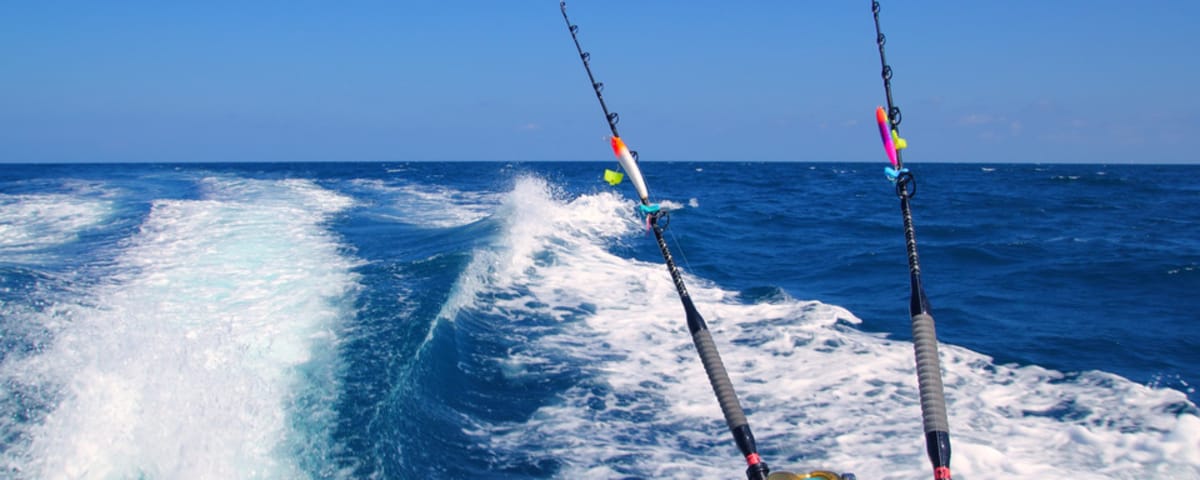
Rod and line fishing demands constant attention. Anglers must observe the water, adjust their drift, fine-tune their depth or lure, and strategically adapt to changing conditions. Each catch is the result of a series of deliberate choices and a dynamic interaction with the surrounding ecosystem.
Net fishing, conversely, operates on a different principle. Once deployed, a net works autonomously, capturing anything in its path regardless of species or size. It can remain submerged for extended periods, indiscriminately trapping marine life. This fundamental difference has significant implications, directly impacting the quantity of fish caught, the nature of the catch, and its ultimate fate. It’s not merely a matter of efficiency; it’s a distinct approach to resource exploitation with vastly different consequences for the marine ecosystem.
The Angler’s Advantage: Flexibility, Control, and Enjoyment
Rod and line fishing has become the preferred method for recreational anglers, and for good reason. It offers unparalleled flexibility, adapting to virtually any situation encountered at sea. Depending on the zone, depth, or target species, anglers can employ various techniques – trolling, jigging, lure fishing, or bottom fishing – without requiring excessive equipment or imposing undue constraints.
Crucially, this method provides constant control over the fishing process. Anglers can selectively choose their catches, feel the bite, interrupt their line at any moment, and release undersized or unwanted fish back into the water. This selectivity significantly reduces unnecessary catches and aligns with a more environmentally conscious approach. Regulations governing rod and line fishing at sea are clearly defined for recreational boaters, with transparent rules regarding minimum sizes, quotas, and protected species. While it requires vigilance and a basic understanding of the rules, it remains compatible with responsible and sustainable recreational fishing.
The Net’s Illusion: Apparent Efficiency and Real-World Constraints
Net fishing is often perceived as a more productive solution, capable of delivering abundant catches without constant effort. However, this perception is largely misleading. In recreational fishing, the use of nets is heavily regulated, even prohibited in many maritime zones. These restrictions are in place to prevent mass captures, the taking of non-target species, and the risk of “ghost fishing” when nets are lost or abandoned.
From a practical standpoint, net fishing from a recreational boat also presents numerous challenges. It requires ample onboard space, a thorough understanding of the seabed, and precise handling to avoid tangles or accidents. Hauling the net can be physically demanding, sorting the fish is time-consuming and delicate, and dealing with accidental catches can be difficult. Furthermore, there’s a risk of significant penalties for non-compliance with regulations, which are often poorly understood or misinterpreted by recreational boaters.
Making a Choice Aligned with Today’s Marine Environment
For the vast majority of recreational boaters, rod and line fishing emerges as the most logical and coherent choice. It allows for active fishing, technical skill development, and a direct connection with the sea and its conditions. It also aligns with a more modern vision of recreational fishing, where enjoyment, mastery, and respect for the environment take precedence over sheer quantity.
While nets may appear efficient, they are better suited to commercial fishing and struggle to find a place in responsible recreational practices. Today, fishing from a boat is no longer about filling the hold at all costs, but about understanding, choosing, and preserving. In this context, the rod remains not only the most accessible method but also the most aligned with the current challenges facing our oceans.
Enjoyed this post by Thibault Helle? Subscribe for more insights and updates straight from the source.