Rigid Hull vs. Semi-Rigid Hull: Choosing the Right Boat for Your Needs
When it comes to selecting a boat under 10 meters, the choice between a rigid hull and a semi-rigid hull often boils down to your specific needs and priorities. Both types offer distinct advantages and disadvantages, catering to different boating styles and activities.
Rigid Hull: Robustness and Comfort Onboard
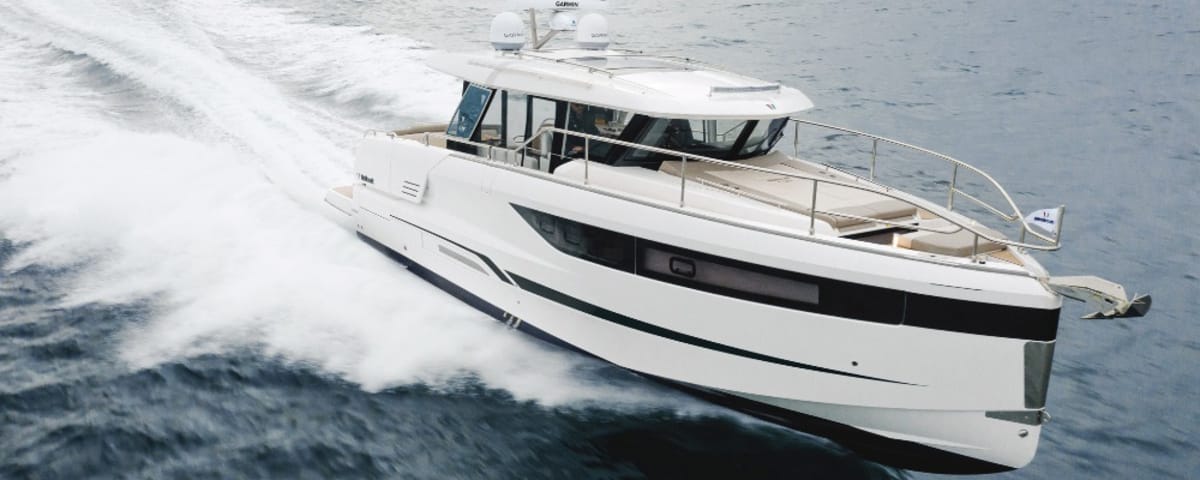
Rigid hulls, typically constructed from fiberglass or aluminum, provide unparalleled comfort and stability. One of their key strengths is the spacious interior, allowing for the addition of amenities such as cabins, toilets, and even a kitchen. This makes them ideal for longer voyages and those seeking a more comfortable experience on the water.
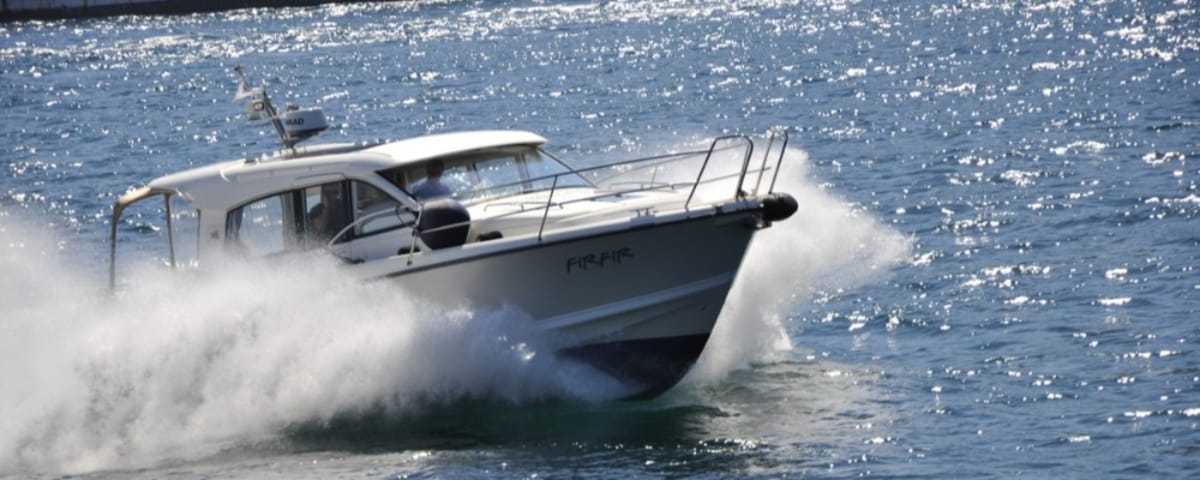
In terms of performance, rigid hulls excel in providing a stable ride, even in choppy conditions. They are less susceptible to waves, ensuring better course-keeping, which is a significant advantage for navigating rough seas. Durability is another hallmark of rigid hulls, as they are highly resistant to impacts and wear. They require minimal maintenance, aside from regular inspections and cleaning, making them a reliable choice for extended trips. Furthermore, rigid hulls offer extensive customization options, from state-of-the-art consoles to advanced electronic systems and bespoke interior layouts.
However, rigid hulls also have their drawbacks. Weight is a major consideration. Being heavier than semi-rigid hulls, they are less maneuverable, especially in ports or over short distances. This weight can also impact the boat’s overall performance. Financially, rigid hulls come with higher purchase and maintenance costs. The price of a rigid hull is generally higher than that of a semi-rigid hull, particularly for boats under 10 meters. Maintenance, especially for inboard engines, can also strain the budget. Finally, transporting a rigid hull is more challenging due to its weight and size, requiring a suitable trailer and ample storage space.
Ideal for:
- Long cruises or sea trips requiring enhanced comfort (with sleeping arrangements and toilets).
- Challenging navigation conditions where stability and protection are paramount.
- Versatile activities such as fishing, diving, or water sports.
Semi-Rigid Hull: Lightness and Maneuverability
Semi-rigid hulls are characterized by their inflatable structure combined with a rigid V-shaped hull. One of their primary advantages is their lightweight design, which translates to excellent maneuverability. Even with a smaller engine, these boats are quick and easy to handle. When stationary, the inflatable tubes provide exceptional stability, making them ideal for activities like diving or extended anchoring.
Semi-rigid hulls are also known for their high-speed performance. Their lightness allows them to reach high speeds with less engine power, reducing fuel consumption. In terms of impact resistance, the PVC or Hypalon tubes absorb shocks, which is beneficial for coastal excursions or beach landings. Moreover, a semi-rigid boat is much easier to transport and store. Its lightweight design allows for easy transport on a trailer, and it occupies less space when out of the water.
However, semi-rigid hulls involve certain compromises, particularly in terms of onboard comfort. These boats offer fewer amenities and less space than rigid hulls. Storage space is limited, and they are more exposed to the elements, making them less comfortable in inclement weather.
In terms of protection, semi-rigid hulls are less effective than rigid hulls in rough sea conditions. While they are fast and stable, they offer less protection to passengers from the elements.
Finally, although the tubes are durable, they require regular maintenance to prevent punctures or premature wear. They are more vulnerable to UV rays, chemicals, and abrasions.
Ideal for:
- Day trips and quick excursions along the coast.
- Water sports such as scuba diving or water skiing.
- Those seeking a boat that is easy to transport, store, and affordable.
Making the Choice
Ultimately, the decision between a rigid hull and a semi-rigid hull for boats under 10 meters hinges on your individual needs and priorities.
If you prioritize optimal comfort, stable navigation in rough seas, and a well-equipped boat for extended cruises, the rigid hull is the better option. Conversely, if you prefer a boat that is lightweight, fast, easy to maneuver and transport, and more budget-friendly, the semi-rigid hull is a more suitable choice.
Enjoyed this post by Thibault Helle? Subscribe for more insights and updates straight from the source.