The Enduring Legacy of the Optimist Dinghy: Shaping Future Sailing Champions
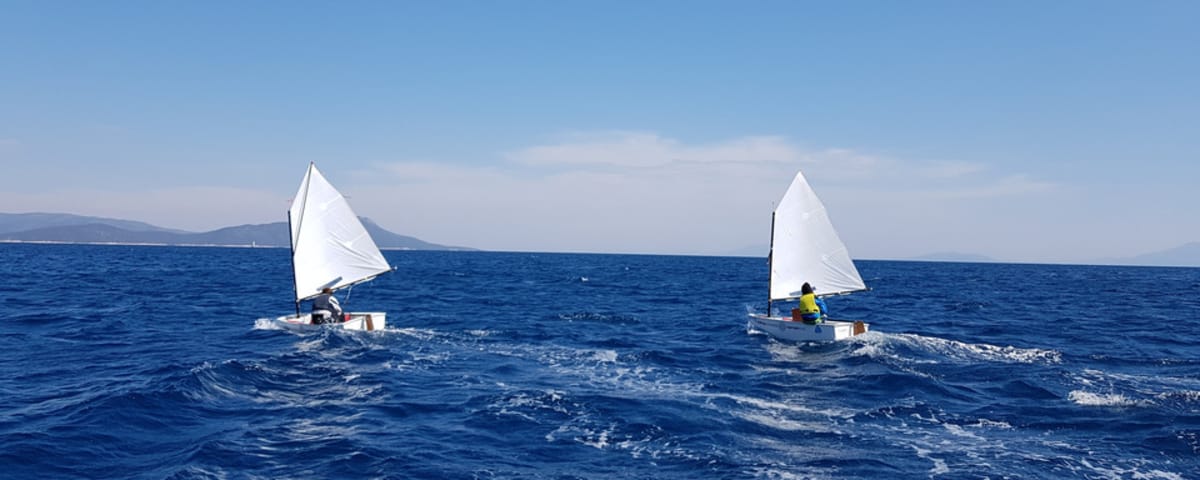
The Optimist dinghy, a small, single-handed sailing boat, has long been recognized as a cornerstone of youth sailing. Its demanding nature and focus on precision from a young age make it an ideal training ground for aspiring sailors. While seemingly simple, the Optimist cultivates essential skills and a deep understanding of sailing principles.
A Rigorous Training Ground
The Optimist demands accuracy and precision. Sailors quickly learn the importance of course control, managing gusts, executing strategic starts under pressure, and analyzing weather patterns. Coaches emphasize that the Optimist, more than any other boat, highlights the core qualities of a successful sailor: anticipation, tactical awareness, and composure. This rigorous environment explains the boat’s longevity, remaining largely unchanged since its creation and still considered the best educational tool for preparing a career in competitive sailing.
A Competitive International Circuit
The Optimist class boasts some of the most competitive junior sailing events globally. Key events include:
- Lake Garda Meeting Optimist: Held in Italy, this event holds the Guinness World Record for the largest junior sailing regatta, attracting over 1,000 participants annually. The intense starting lines and high level of competition are considered a crucial step for young sailors aiming for the top.
- Optimist European Championship & IODA World Championship: These are the ultimate benchmarks in the Optimist circuit. National selections are highly competitive, and rankings can shift dramatically with each race due to the close competition.
The reality on the water is always the same: high-pressure starts, dense fleets, and the constant need to be in the right place at the right time. It’s an environment where you learn quickly… or get left behind just as quickly.
A Stepping Stone to Elite Sailing
Many prominent figures in international sailing began their careers in the Optimist before excelling in classes like the 470, Laser, Nacra, or IMOCA. They often cite the demanding training as crucial, highlighting the stress management during starts, the tactical challenges of navigating large fleets, and the ability to read the water from a young age.
“The Optimist is more than just a boat; it’s a crucible where young sailors forge the skills and mindset necessary to succeed at the highest levels of the sport.”
Coaches in national training centers closely monitor Optimist results, viewing them as an early indicator of a young sailor’s potential. A podium finish at Garda or qualification for the IODA World Championship immediately attracts attention.
Building Character and Sportsmanship
Beyond raw results, the Optimist fosters a strong sporting culture. Children learn to manage disappointment, face challenging weather conditions, and make quick decisions independently. This early autonomy is a significant advantage of the discipline.
The educational aspect remains central: respect for the rules, safety management, a sense of effort, and teamwork within clubs. Sailing instills lasting habits that stay with young people long after they leave the small, square dinghy.
A Global Community Focused on the Future
With over 120 nations affiliated with the IODA and a thriving international circuit, the Optimist continues to play a major role in talent identification. Exchanges between clubs, cross-border training camps, and major international regattas create a unique environment of emulation in junior sport.
The boat itself remains true to its simplicity. But behind its 2.30 meters in length lies a powerful matrix: one that has already shaped several generations of sailors and continues, year after year, to prepare the elite of world sailing.
Enjoyed this post by Thibault Helle? Subscribe for more insights and updates straight from the source.