Electric Boating Set to Surge in 2026: A New Era of Viable Alternatives
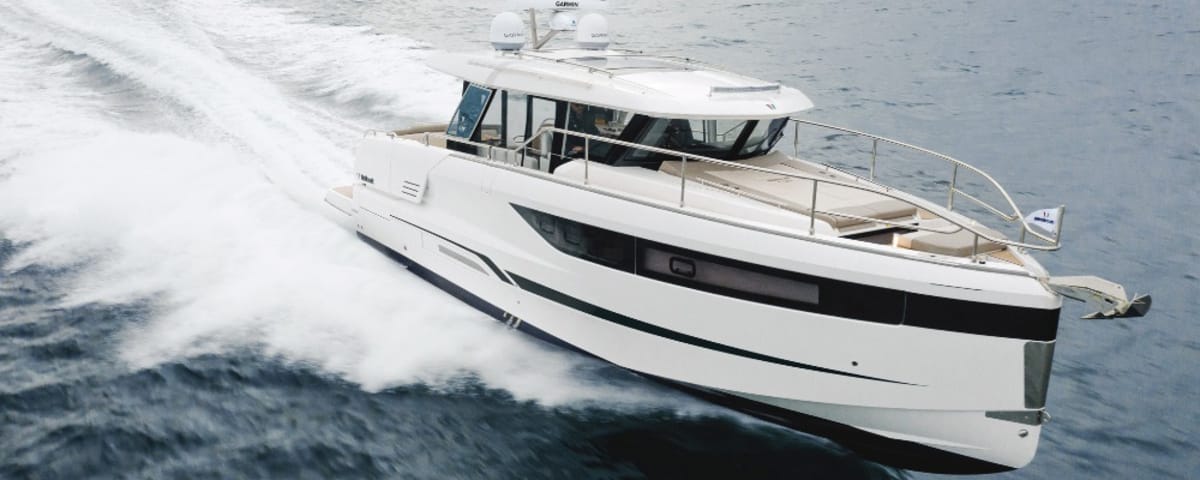
Electric boating is no longer confined to small lake boats or experimental shuttles. By 2026, the recreational boating industry is poised to witness a significant shift, driven by three key advancements: improved batteries tailored for the marine environment, faster charging speeds comparable to those of electric cars, and a renewed focus on hydrodynamical efficiency. The emphasis is now on designing boats around available energy, rather than simply fitting a battery into an existing hull and hoping for the best.
This evolution paves the way for a new generation of vessels capable of fulfilling practical needs, including rapid shuttles, day-boats with all-day range, premium models, and even recreational boats inspired by solutions from the professional transport sector.
2026: Autonomy Defined by Architecture
For a long time, electric boating faced a fundamental challenge: moving a hull through water consumes a significant amount of energy. High speeds and even moderately rough seas can quickly deplete battery life. Many manufacturers realized that simply increasing battery size wasn’t a sustainable solution, as the added weight negated many of the anticipated gains.
The game-changer is a more holistic approach. Some players have stopped fighting physics and are completely rethinking the relationship between hull, propulsion, and energy. Hydrofoil solutions perfectly illustrate this shift. By drastically reducing the surface area in contact with the water, they lower energy consumption to levels previously unattainable for fast electric boats.
Simultaneously, charging is becoming a crucial aspect of port infrastructure. While electric boating once imposed significant constraints, some projects now integrate fast charging as a central element of the user experience. The focus is shifting from whether the boat can navigate to whether it integrates seamlessly into a realistic day of boating, without complex planning.
Battery technology is also evolving positively. In the nautical world, energy density is just one factor among many. Safety, durability, and resistance to marine conditions have become priorities, leading some manufacturers to favor more robust chemistries and architectures specifically designed for the sea.
These three developments – hydrodynamical efficiency, faster charging, and better-adapted batteries – paint a picture of a more viable electric boating future by 2026. They are clearly reflected in the following models:
Spotlight on Innovation: Five Key Electric Boat Models
Candela C-8: Efficiency Above All
The Candela C-8 embodies a radical approach. Instead of relying on raw battery capacity for range, the manufacturer has focused on reducing drag. The result is a day-boat capable of achieving unusual ranges for a fast electric boat, with energy consumption that remains controlled even at sustained speeds.
For boaters, the benefits extend beyond just range figures. Usage becomes more straightforward: fast navigation, silence, comfort, and a return to port without turning the outing into an energy management exercise. This overall coherence explains the growing interest in this type of solution.
Frauscher x Porsche 850 Fantom: Charging as a Selling Point
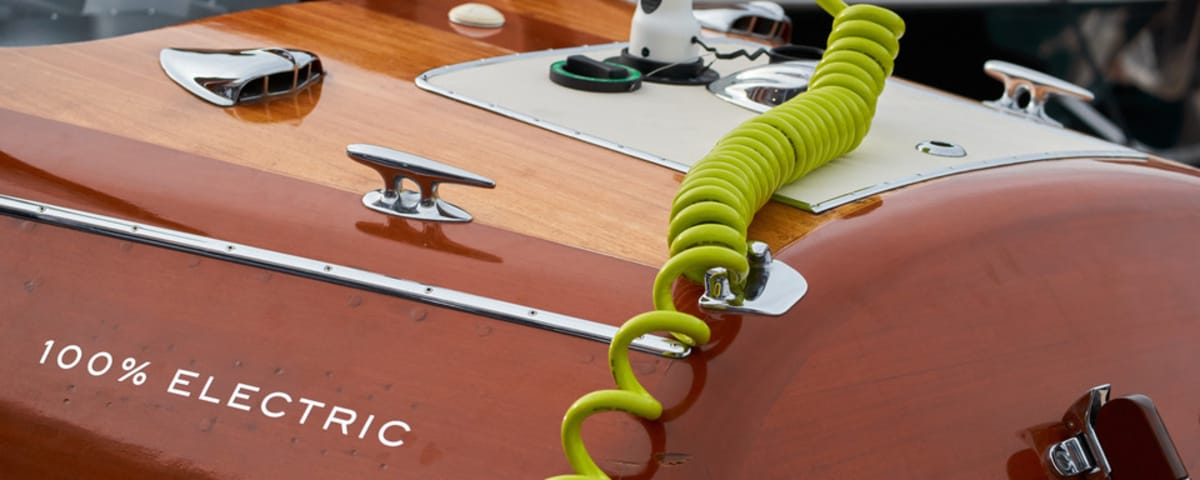
This collaboration marks a symbolic turning point. Here, electric power is not presented as a sensible alternative but as an unapologetically high-end experience. The electric architecture and powertrain, inherited from the automotive industry, allow for very fast charging, provided the infrastructure is in place.
This model deserves particular attention in 2026 because it raises a central question: when charging becomes fast and reliable, how many boaters are willing to make the switch without feeling like they are sacrificing their freedom of navigation?
X Shore 1: Everyday Electric Boating
Less spectacular but equally revealing, the X Shore 1 illustrates the gradual mainstreaming of electric boats. With consistent range, sufficient performance for a day of boating, and realistic charging in many ports, this type of vessel caters to a very practical need: regular recreational boating.
It is often through these accessible and versatile boats that electric power becomes permanently integrated into boating habits, particularly in rentals or coastal navigation.
Arc Sport: Embracing Electric Power
Electric power is not limited to frugality. In sports applications, the instant torque, smooth power delivery, and silence offer new sensations. With high power outputs and large-capacity batteries, some models are clearly targeting performance enthusiasts and watersports lovers.
These boats play a key role in the ecosystem, pushing the entire industry to advance on crucial topics such as thermal management, safety, and high-power charging.
Navier: Bridging Recreation and Maritime Mobility
Navier embodies another vision of electric power, blurring the lines between recreational boating and light maritime transport. By focusing on hydrofoils, the manufacturer manages to combine speed, range, and efficiency, paving the way for hybrid uses between leisure and transportation.
The appeal of these projects also lies in their industrial logic. They are not limited to a single model but are part of a genuine range strategy, signaling a desire to establish a lasting presence in the nautical landscape.
Key Takeaways: Imagining the True Electric Revolution at Sea
By 2026, the question is no longer whether electric boats work, but in what applications they become truly relevant. Speed, navigation program, charging availability, and overall operating cost remain crucial factors.
For boaters and professionals alike, electric power begins to make sense where the boat is used regularly, where charging is accessible, and where silence and ease of operation become real advantages. The models to watch in 2026 are not just technological showcases; they are the first to bring electric power closer to the daily reality of boating.
Enjoyed this post by Thibault Helle? Subscribe for more insights and updates straight from the source.