Cameras on Fishing Boats: A New Chapter in Dolphin Conservation or a Breach of Trust?
Tensions are rising in the Bay of Biscay as a new regulation mandates cameras on fishing vessels. Starting in late 2024, approximately 100 fishing boats will be required to carry cameras to document accidental dolphin captures. This decision has sparked both hope among environmental advocates and unease in the ports of Charente-Maritime and the Basque Country.
An Ecological Imperative
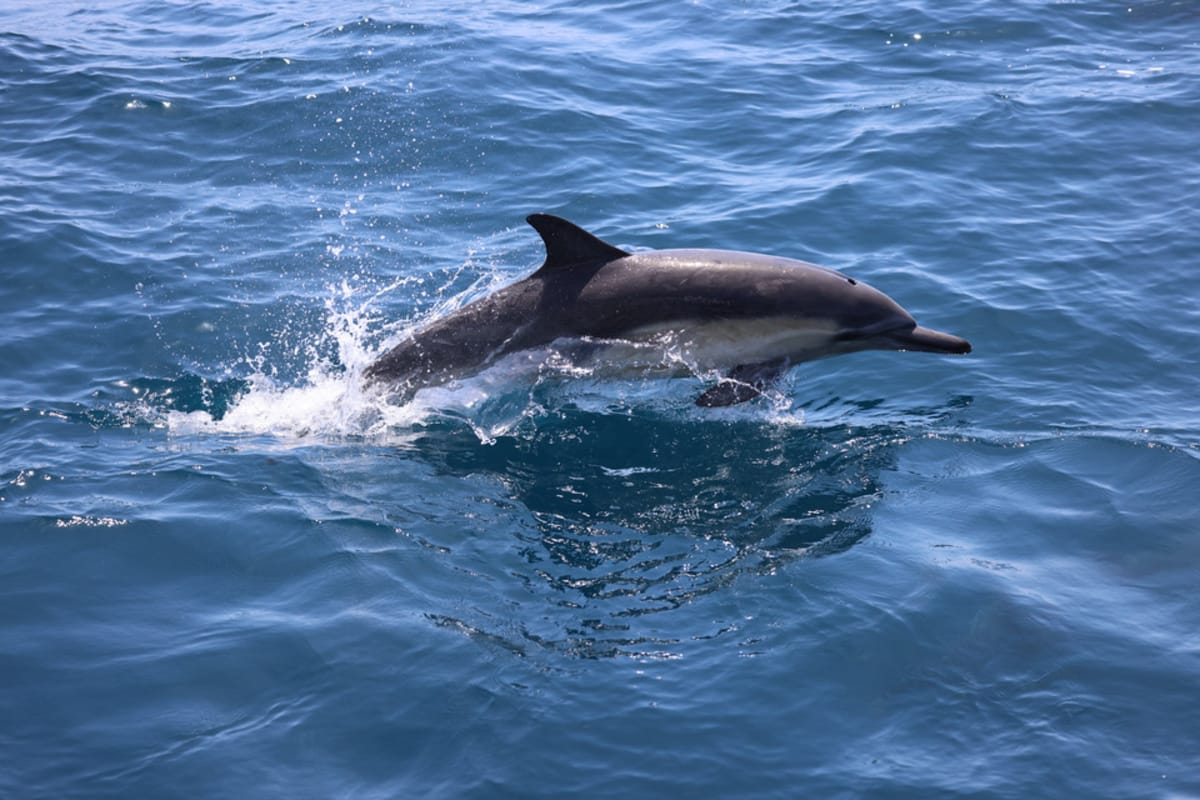
Each winter, hundreds of dolphin carcasses wash ashore on the Atlantic coast, victims of unintentional entanglement in fishing gear. Faced with mounting pressure from scientists and NGOs, the French government has taken action. The cameras, installed on roughly 100 netters and 15 trawlers, aim to provide precise data on when and how cetaceans are trapped, allowing for adjustments to fishing practices.
“This isn’t about surveillance, but about gaining a better understanding of the interactions between fishing and marine mammals,” the Ministry of the Sea emphasizes.
The stakes are high. According to the Pelagis Observatory, over 6,000 common dolphins could die annually in the Bay of Biscay, a mortality rate deemed “unsustainable” for the population.
Anger Aboard
However, in ports like La Rochelle, Saint-Gilles-Croix-de-Vie, and Capbreton, the decision is not well-received. “It’s policing,” a skipper told France 3 Nouvelle-Aquitaine. Many denounce the measure as “infantilizing” and “unfair,” implemented without sufficient consultation.
Fishermen also worry about the cost of installing video systems, the technical complexity, and the management of recorded data.
Yet, some professionals acknowledge the cameras could restore trust. “If the images prove we are already being careful, it will be a good thing,” admits a fisherman from Royan.
Technically, the cameras will not film the crews but the work areas: the rear deck, trawls, or nets being hauled aboard. Independent observers will analyze the recordings to identify high-risk situations.
It’s intended as a scientific tool, but also a test of transparency. Researchers hope the data will help target fishing closures more effectively and test new solutions like acoustic deterrents.
Navigating Ethical Waters
This measure follows several winters marked by temporary fishing bans, highly contested but deemed effective by the Council of State. Camera installation appears as a more sustainable alternative, less drastic than halting activity.
Whether trust will be rebuilt between institutions and fishermen remains to be seen. Many fear the images will fuel political debate rather than save dolphins.
Key Concerns:
- Cost of camera installation and maintenance
- Data privacy and security
- Potential for misuse of footage
“It’s not about spying, but about understanding the interactions between fishing and marine mammals.” – Ministry of the Sea
Enjoyed this post by Thibault Helle? Subscribe for more insights and updates straight from the source.