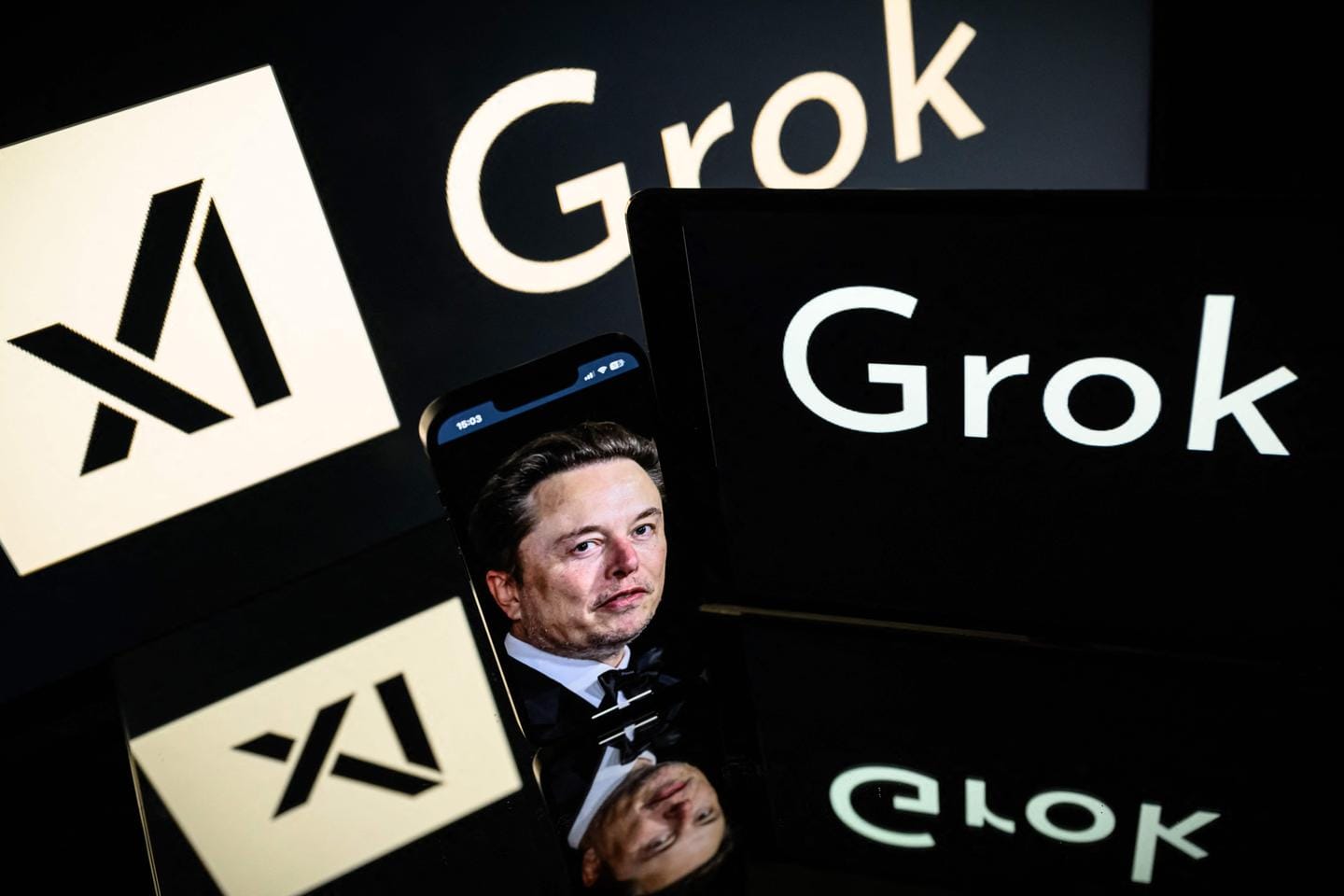
The AI “Encyclopedia War”: Why Grokipedia Isn’t a Threat to Wikipedia
The debate surrounding online knowledge platforms has reignited, drawing comparisons between Wikipedia and Elon Musk’s Grokipedia. As Robert Darnton noted in Le Monde, the history of encyclopedias is fraught with conflict, revolving around what knowledge is deemed worthy and who has the authority to disseminate it. Knowledge, undeniably, is intertwined with the power dynamics that shape its creation and dissemination. This has led some to frame the emergence of Grokipedia as a new "encyclopedia war."
However, equating Musk’s AI-driven platform with a true encyclopedia reveals a fundamental misunderstanding of how these tools operate. Generative artificial intelligence systems, like Grok and ChatGPT, do not produce knowledge in the traditional sense. They don’t construct theories, develop concepts, establish evidence, engage in objectification, or evaluate the validity of their sources. Instead, they treat all sources as equally valid.
AI: Language Models, Not Knowledge Models
These AI tools primarily generate linguistically plausible text based on statistical patterns learned from massive datasets. This is why they are accurately termed "language models," not "knowledge models."
They operate in direct contrast to Wikipedia, which, in theory, allows anyone to contribute to writing, discussing, and moderating content, regardless of their economic, social, or cultural background. Wikipedia places a strong emphasis on sourcing and the critical examination of different perspectives.
The Crucial Distinction: Truth vs. Plausibility
While Wikipedia is not without its biases, power struggles, and participation imbalances, it rests on a core principle: knowledge is debatable, amendable, and constantly evolving. The rules, discussions, and decisions of its contributors are made transparent and visible.
In contrast, large language models (LLMs) do not differentiate between truth and falsehood. They are not designed to justify their choices or vouch for the accuracy of the text they generate and the information it contains.
The Implications for Information and Trust
- AI models prioritize linguistic plausibility over factual accuracy.
- They lack the critical evaluation processes inherent in human-driven knowledge platforms.
- The absence of transparency in AI decision-making raises concerns about bias and misinformation.
The rise of AI-generated content necessitates a critical approach to online information. Understanding the limitations of language models is crucial for navigating the evolving landscape of knowledge and trust.
Enjoyed this post by Thibault Helle? Subscribe for more insights and updates straight from the source.