Vessels at the Heart of Science and Innovation
Several vessels dedicated to scientific research are showcased this week. The FS Meteor, a prominent German research vessel, hosts official receptions, debates, and side events. The Thalassa, a French marine science ambassador, is known for its participation in large-scale fisheries and geoscientific missions. It is open for accredited visitors on June 10th and 11th.
The Téthys II, another vessel from the French oceanographic fleet, conducts various missions in the Mediterranean, demonstrating the extensive efforts in environmental data collection. The Gaia Blu, 83 meters long, features advanced equipment for seafloor mapping, deep-sea sampling, and current observation.
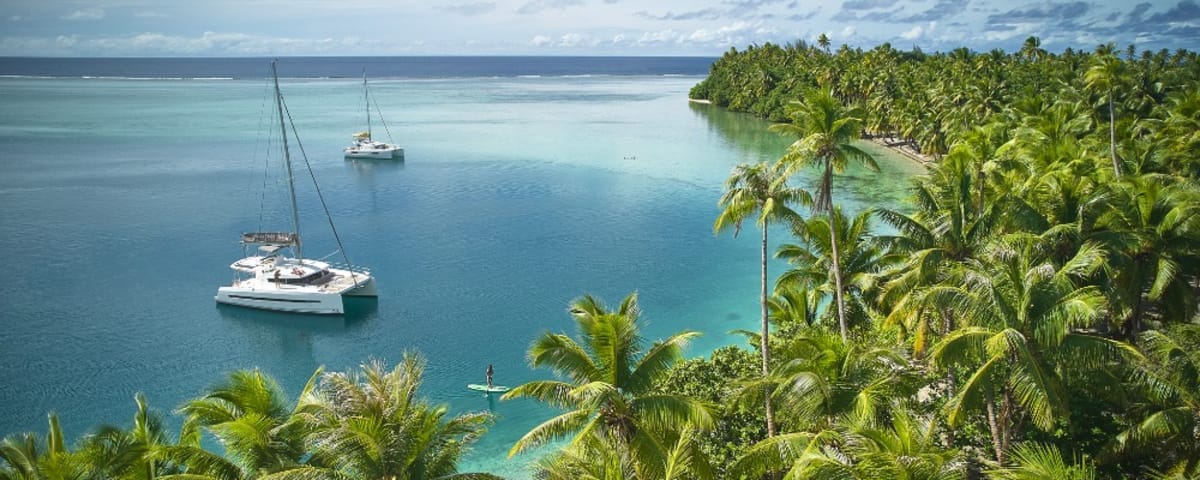
The Baía Farta, a newly built vessel of the Angolan government, embodies the country’s ambitions for a sustainable blue economy. The Malizia Explorer, recently launched by Boris Herrmann’s team, opens its spaces for research and awareness, collecting oceanographic data during expeditions around the globe.
The Alfred Merlin, dedicated to underwater archeology, is a reference in the detection and study of shipwrecks. It will be present until June 15th. Similarly, the PERSEVERANCE, a schooner designed to accompany the Polar POD, begins its missions in high latitudes. Guided tours are offered each morning of the week starting June 9th.
Thalassa© Wikipedia
Iconic Sailing Ships, Floating Museums, and Citizen Initiatives
At the intersection of innovation, culture, and ecological commitment, the Art Explorer holds a special place. As the largest sailing catamaran ever built, it serves as a traveling museum blending contemporary art and science. Accredited visitors can discover immersive installations on board between June 9th and 13th.
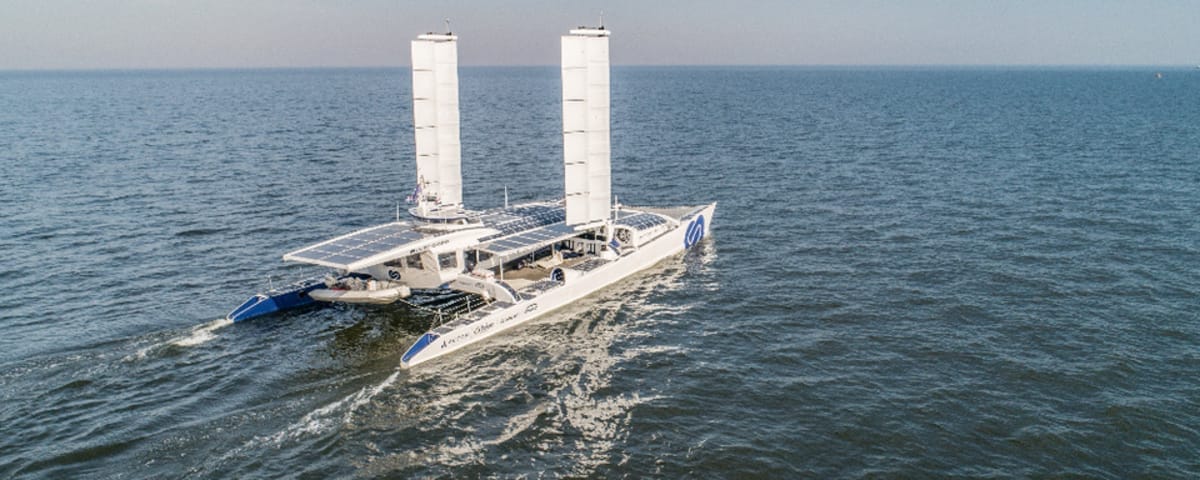
Another ambassador of ecological transition, Energy Observer 1, made a lasting impression with its stopover before the UNOC, having traveled over 68,000 nautical miles without emissions. It actively promotes the use of hydrogen at sea. The Fortescue Green Pioneer is a pioneer in the use of green ammonia as a marine fuel. It is stationed in the bay of Villefranche from June 8th.
Several NGO sailing ships illustrate the involvement of non-state actors. The Blue Panda, owned by the WWF, acts as a mobilization platform for Mediterranean biodiversity. The Ganany, a catamaran ambassador of the Race for Water Foundation, emphasizes the links between climate and plastic pollution. The Bonita, a vessel of Expédition MED, continues its participatory research and education activities around plastics at sea. The Kraken, a vessel of Wings of the Ocean, also raises awareness about the preservation of marine fauna.
The schooner 7e Continent, a mobile laboratory entirely dedicated to the analysis of microplastics, demonstrates a long-term commitment to documenting and combating this scourge. In a spirit of extreme exploration, the Maewan V, an aluminum schooner designed for high latitudes, carries out the environmental expeditions of the Maewan association.
Stratsraad Lehmkuhl© Wikipedia
Between Maritime Memory and Living Traditions
The heritage and educational dimension is also very present. The large Norwegian sailing ship Statsraad Lehmkuhl, one of the oldest three-masted ships still in operation, is stopping over as part of its One Ocean expedition, combining scientific research and traditional seamanship. Alongside it, the Santa Maria Manuela, a Portuguese four-masted ship, recalls the heritage of cod fishing campaigns.
The STS Bodrum, the first Turkish training ship, combines maritime tradition and participation in international scientific projects. From Croatia, the Tartana, restored by the CRONAVES association, illustrates the Mediterranean know-how of the early 20th century and offers workshops on ancient navigation techniques.
The Okeanos Vaka Motu, a New Zealand catamaran inspired by Polynesian boats, embodies an educational project aimed at European youth. Finally, the OceanXplorer, one of the most publicized expedition ships, extends its stopover in Nice to highlight the importance of science in the service of preserving ecosystems.
This gathering of vessels – from research schooners to training ships and scientific units – concretely illustrates the global commitment to ocean protection. This week in Nice reveals a unique collaboration between science, culture, innovation, and education. Each visitor who comes aboard participates in this link between territories, knowledge, and generations.
For more information on visiting arrangements, please consult the UNOC website.
Enjoyed this post by Thibault Helle? Subscribe for more insights and updates straight from the source.